Rouse Hill Slab Scanning - Post-Tension Truncation
July 3, 2025Slab Scanning & GPRRouse Hill, NSW

Rouse Hill Slab Scanning - Post-Tension Truncation

Advanced GPR scanning for safe post-tension cable truncation

The Challenge

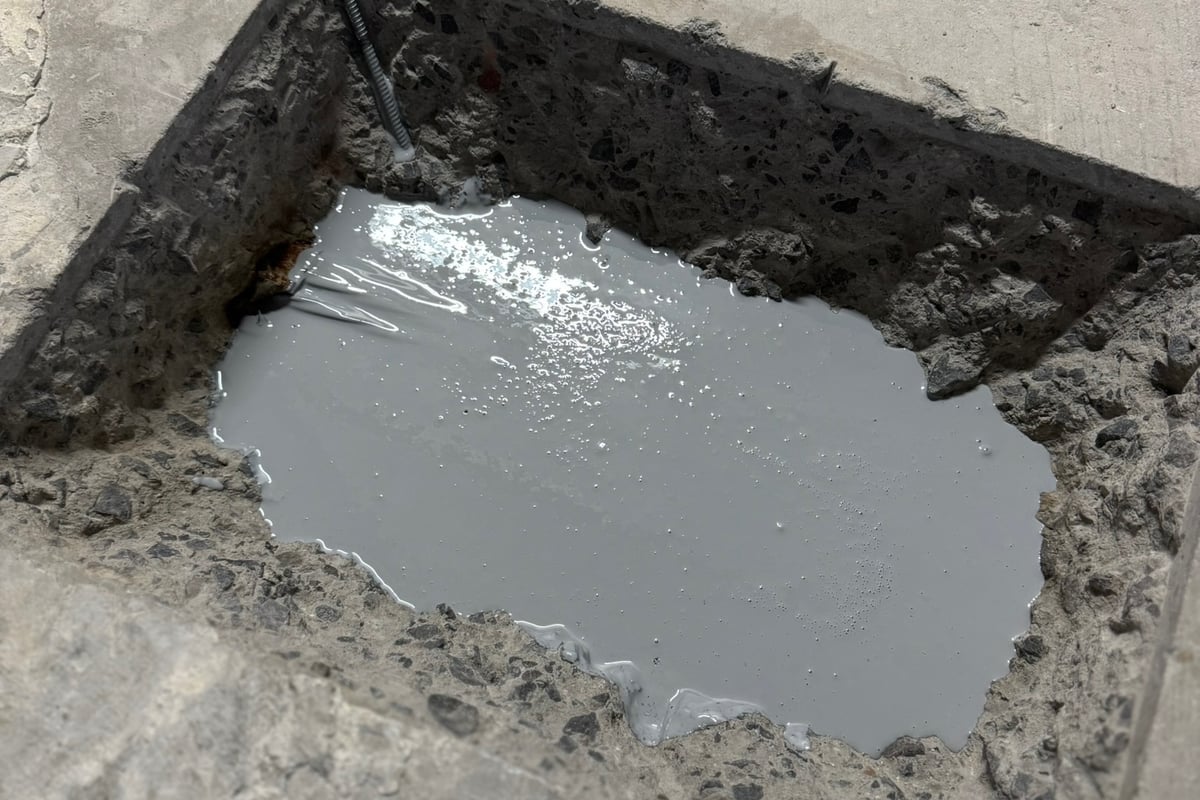
This modern Rouse Hill residential property required critical post-tension cable truncation as part of a major renovation involving new staircase installation connecting ground and first floor levels. The structural engineering design demanded precise cutting of two post-tension cables to create the required floor opening, but striking an active tension cable during cutting posed catastrophic failure risk potentially causing immediate slab collapse. Original building plans from 2015 showed approximate cable locations but lacked the precision required for safe cutting operations, with documented positional variance of ±150mm - far too imprecise for safety-critical work. The occupied family residence meant any structural failure would present immediate life-safety risks to residents, while insurance requirements mandated comprehensive pre-cutting verification of exact cable positions. Traditional exploratory cutting methods would create additional penetrations weakening slab integrity, while concrete x-ray technology lacked the depth penetration needed for accurate mapping in the 300mm thick post-tensioned slab. Time constraints emerged from the renovation contractor's 2-week window for staircase structural work, with significant financial penalties for schedule delays affecting the entire renovation timeline and budget.

Our Solution

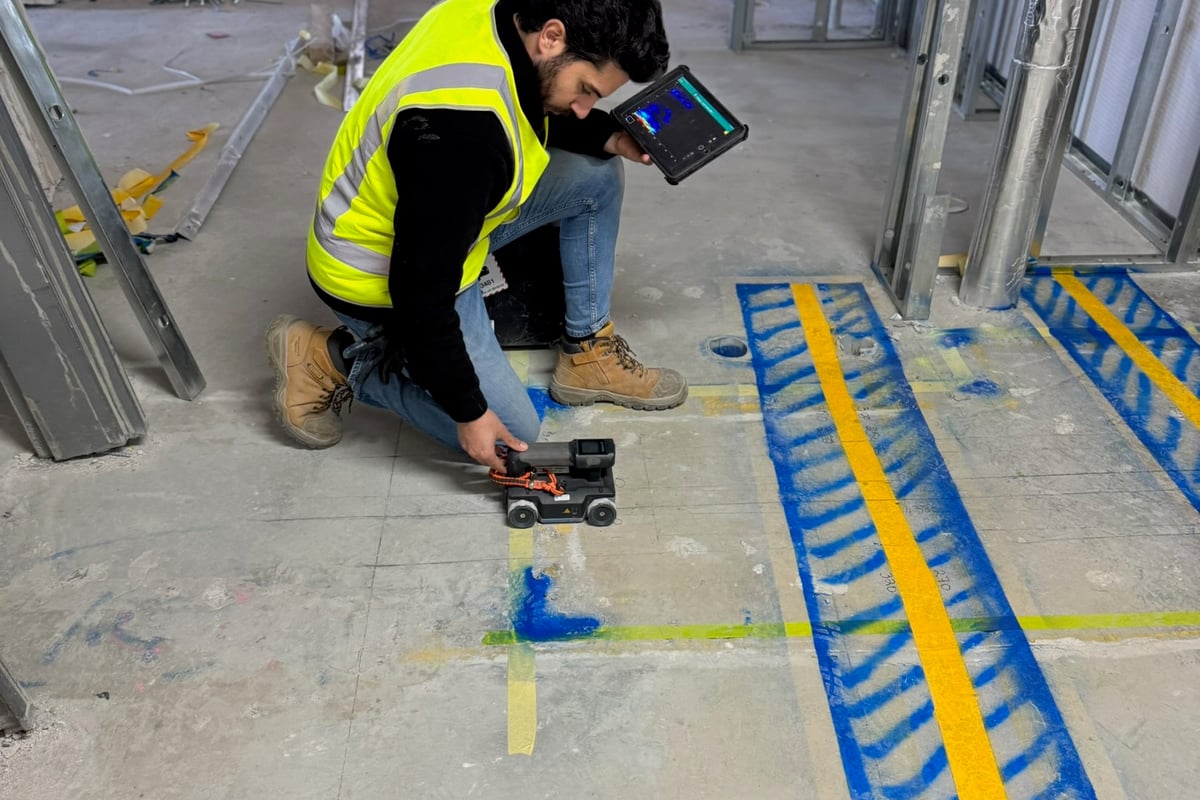
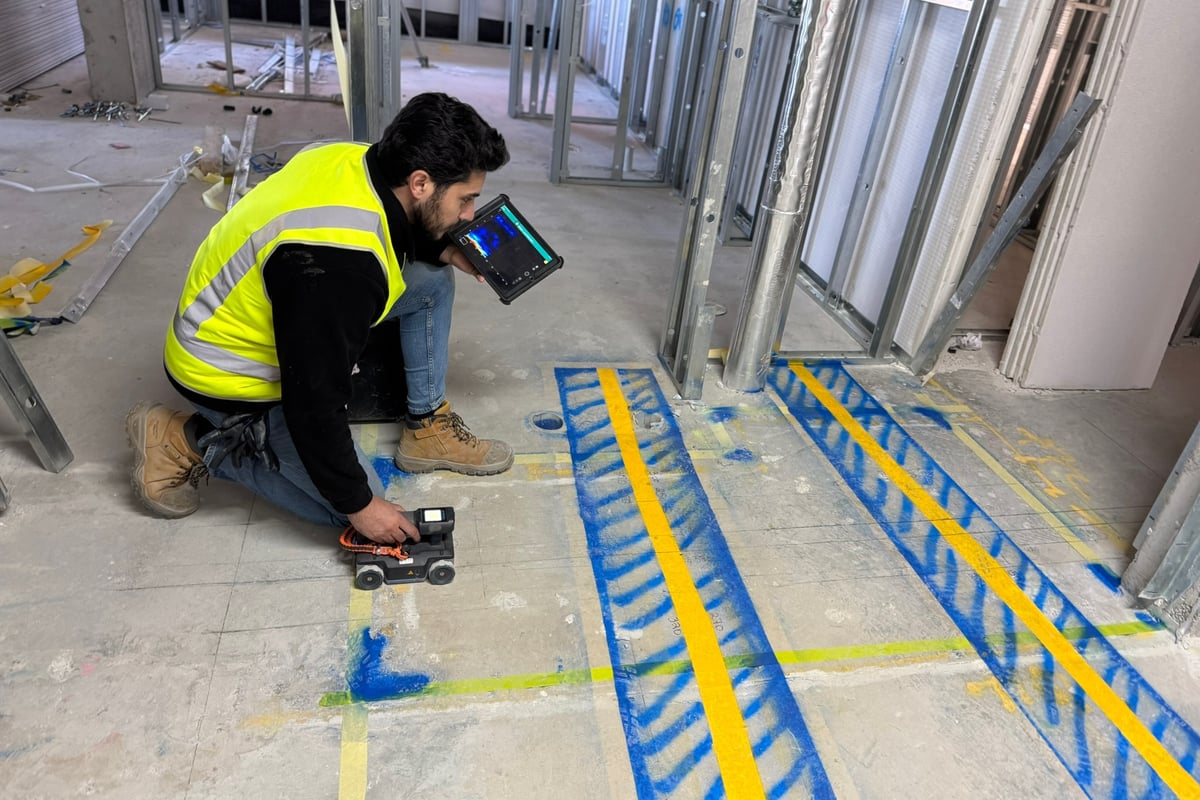
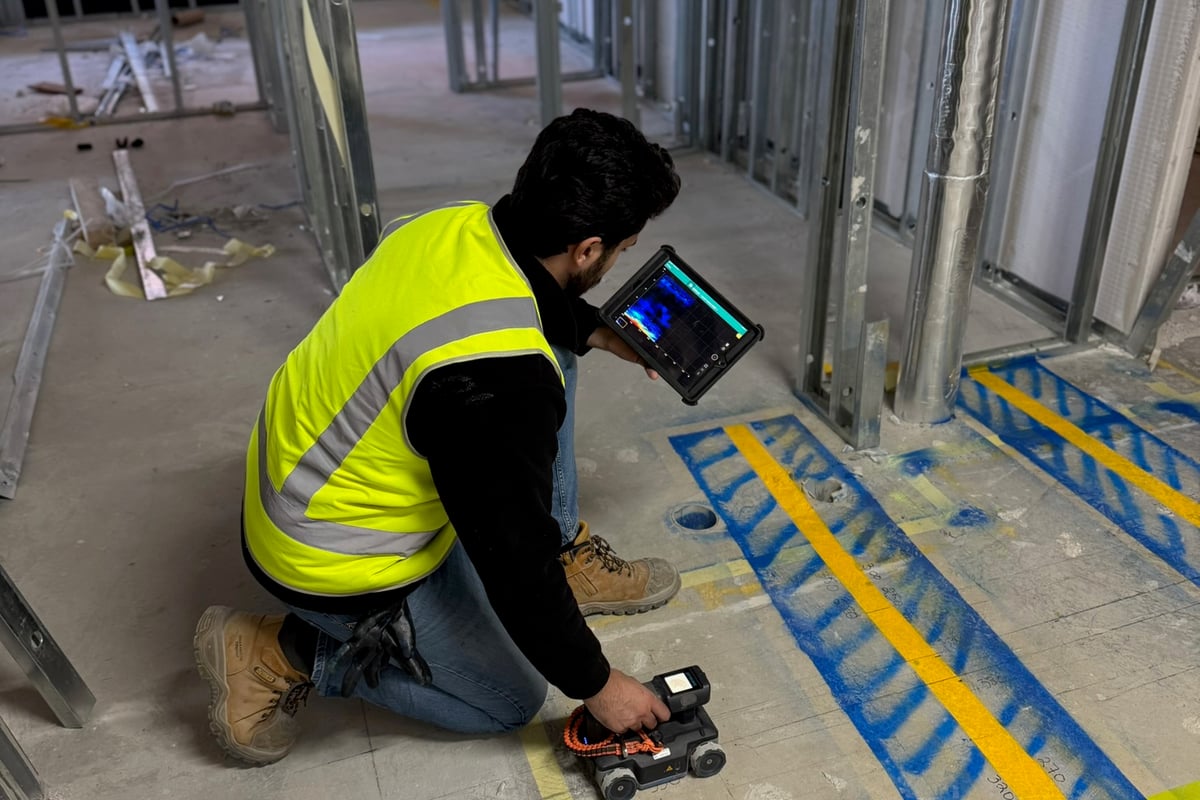
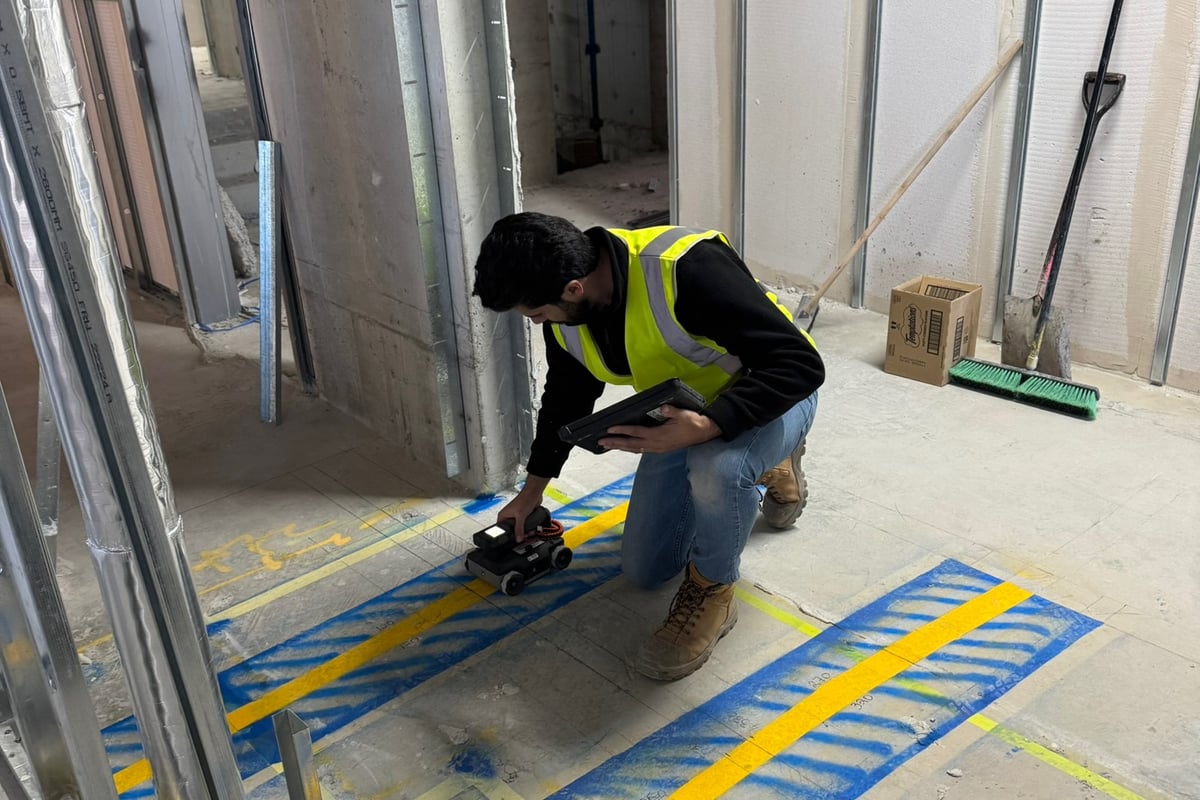
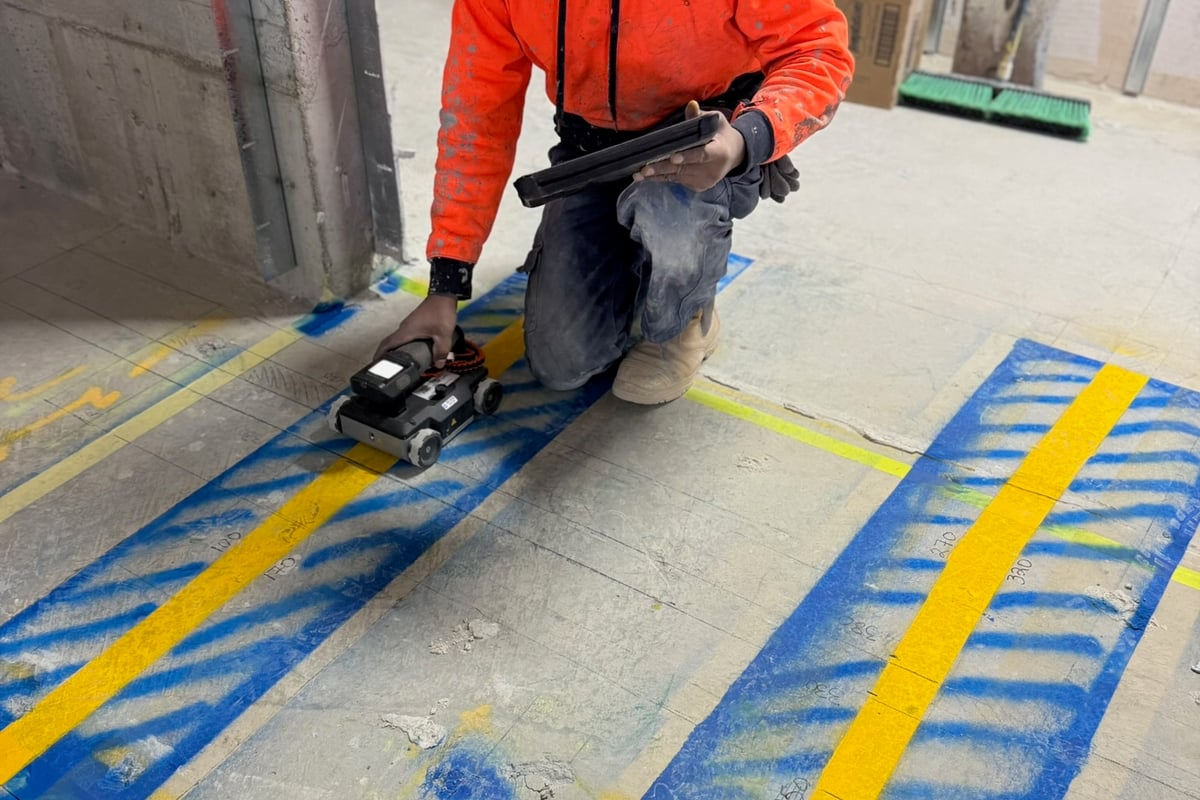
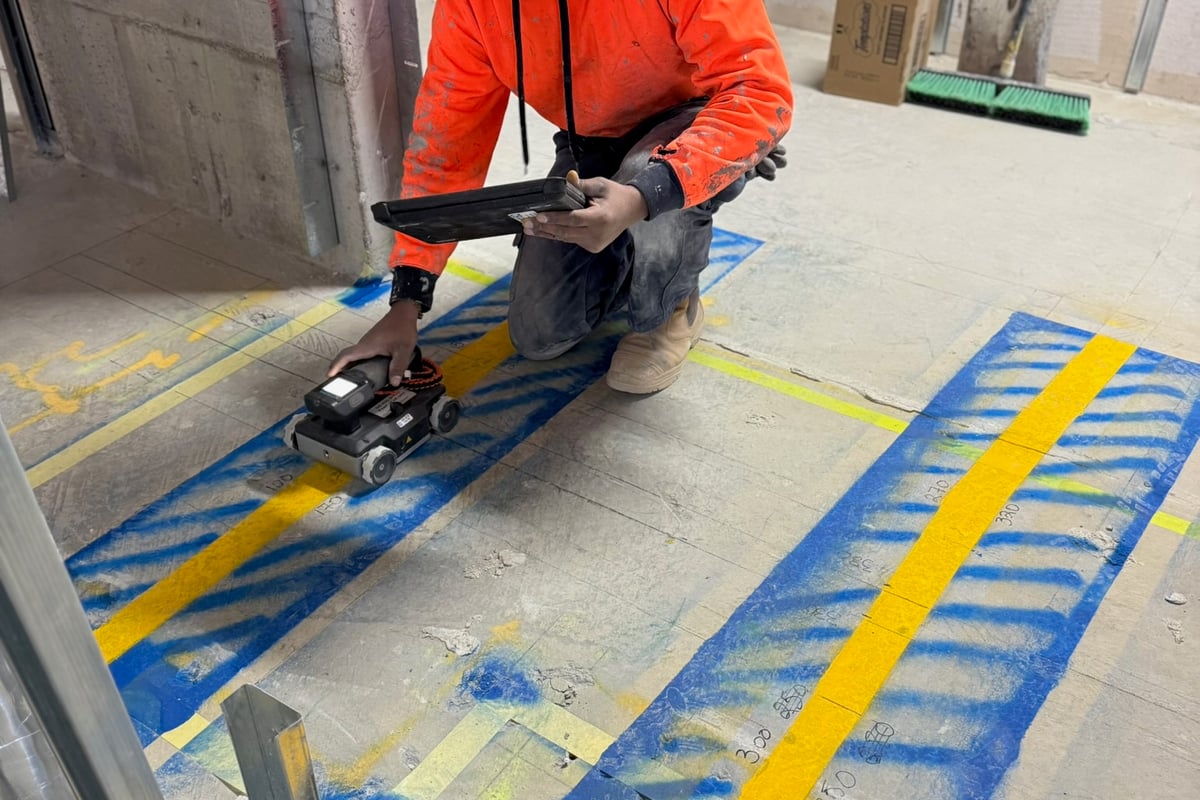
We deployed advanced ground-penetrating radar (GPR) technology specifically calibrated for deep post-tension cable detection within thick concrete slabs. Our scanning methodology involved systematic grid coverage across the entire proposed floor opening area, with multiple scan passes at varying frequencies to build a comprehensive 3D structural map showing exact cable positions, depths, and trajectories. The GPR system's specialized post-tension mode differentiated between active tension cables, passive reinforcement bars, and void spaces, providing critical information for safe cutting planning. All cable positions were verified using multiple scan angles to ensure accuracy within ±5mm tolerance - precise enough for safe cutting operations with appropriate safety margins. Our technical team provided real-time scanning support during the actual cutting process, monitoring with handheld GPR equipment to verify cable-free zones immediately before each cut. Detailed 3D mapping reports were delivered to the structural engineer and cutting contractor, with specific safe-cutting coordinates marked directly on the slab surface. The comprehensive scanning approach included follow-up verification scans one week after initial mapping to confirm no positioning changes, ensuring absolute confidence in cable locations throughout the multi-stage cutting process.

Results

The advanced GPR scanning successfully mapped all post-tension cables within the renovation area with ±5mm positional accuracy, enabling completely safe cable truncation without any structural incidents. Zero cable strikes occurred during cutting operations, with the precise mapping allowing confident execution of complex cutting patterns for the new staircase opening. The comprehensive pre-cutting verification satisfied all insurance and engineering requirements, eliminating project liability risks. The renovation contractor completed staircase structural work within the planned 2-week timeline, avoiding $35,000+ in schedule delay penalties that would have impacted the entire renovation budget. Property owners received detailed as-built documentation showing exact post-tension cable layouts, providing invaluable reference for any future renovation or maintenance work. The scanning process required just one week, significantly faster than traditional exploratory methods that would have taken 3-4 weeks. Engineering certification was issued immediately upon completion of cable truncation, with no structural concerns identified during post-work inspection. The successful project demonstrates the critical importance of precision diagnostic technology in modern post-tensioned construction remediation.

±5mm

Scanning Precision

0

Cable Strikes

1wk

Scanning Timeline

Ready to Start Your Project?

Rouse Hill Slab Scanning - Post-Tension Truncation | TRD Remedial Case Study | TRD Remedial